
In recent years, traditional African fashion has experienced a remarkable resurgence, making its way into modern wardrobes across the globe. This renaissance of African fashion is more than just a trend; it is a celebration of cultural heritage, identity, and craftsmanship.
BaobabMart, an e-commerce platform specializing in authentic African products, proudly showcases a diverse collection of traditional African clothing and accessories. This article delves into the reasons behind the growing popularity of African fashion, its impact on modern wardrobes, and how BaobabMart plays a pivotal role in this vibrant cultural movement.
Let’s delve into;
The Roots of Traditional African Fashion
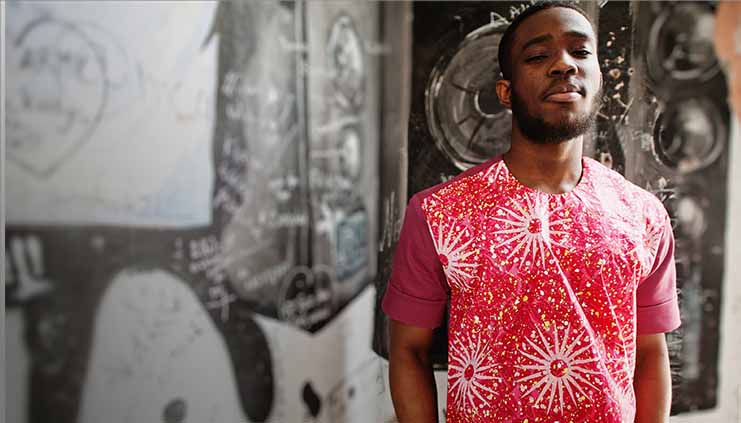
Traditional African fashion is deeply rooted in the continent’s rich cultural tapestry. It is characterized by vibrant colors, intricate patterns, and symbolic designs that vary significantly across regions and ethnic groups. Each garment or accessory tells a story, reflecting historical events, proverbs, social status, or spiritual beliefs. For instance, the renowned Ankara fabric, also known as African wax print, is more than just a textile; its bold patterns often convey specific messages or celebrate significant life events.
Fabrics and Textiles
African fashion’s allure lies in its diverse range of fabrics and textiles, each with its cultural significance and craftsmanship:
- Ankara: Originating from West Africa, Ankara fabric is renowned for its vibrant colors and bold patterns. It has evolved from its Dutch wax print origins to become a symbol of African identity and pride. The motifs and colors in Ankara prints are deeply symbolic, often representing themes such as fertility, spirituality, and social status within African communities.
- Kente: As one of Ghana’s most famous textiles, Kente cloth is traditionally woven by Ashanti and Ewe weavers. Its intricate patterns and bright colors hold symbolic meanings related to royalty, spirituality, and cultural heritage. Each Kente design is unique, with specific motifs conveying messages that date back centuries.
- Dashiki: Originating from West Africa, the Dashiki is a loose-fitting garment adorned with intricate embroidery or vibrant patterns. It is celebrated for its comfort and versatility, worn on both casual and ceremonial occasions. The Dashiki’s design often reflects cultural pride and social identity, making it a cherished symbol in African fashion.
- Bogolan (Mud Cloth): Hailing from Mali, Bogolan is crafted using a unique dyeing process that involves fermented mud and plant-based dyes. The resulting earthy tones and geometric patterns not only adorn garments but also serve as a form of storytelling and cultural expression among Malian communities.
- Shweshwe: Originating from Southern Africa, particularly Lesotho and South Africa, Shweshwe fabric is characterized by its intricate geometric patterns and deep indigo color. Originally brought to Africa by German settlers, Shweshwe has become synonymous with traditional African attire, often used in dresses, skirts, and shirts.
The Cultural Significance of African Fashion
African fashion is deeply intertwined with cultural identity and social symbolism. Each fabric, garment, or accessory carries a narrative that reflects the wearer’s heritage, community values, and personal experiences. For example, Kente cloth’s vibrant colors and complex patterns are not only visually striking but also serve as a means of communication, conveying messages of wisdom, spirituality, and historical events within Ghanaian culture. Similarly, the beadwork found in Maasai jewelry carries intricate patterns that denote age, social status, and even marital status among the Maasai people of Kenya and Tanzania.
The Renaissance of African Fashion
The resurgence of traditional African fashion in modern wardrobes is driven by several interconnected factors:
Cultural Pride and Identity
There is a growing global appreciation for African heritage and cultural diversity, prompting a revival in the popularity of traditional African fashion. This resurgence is particularly evident among younger generations who view wearing African attire as a powerful expression of identity and cultural pride. Through social media platforms and cultural events, such as African fashion weeks and festivals, traditional African fashion is celebrated as a vibrant and dynamic aspect of global style.
Global Influence and Recognition
African fashion has garnered international acclaim and influence, thanks to the efforts of African designers, models, and influencers who have championed its unique aesthetics on the global stage. Events like the Lagos Fashion Week and South African Fashion Week showcase the creativity and innovation of African designers, spotlighting their ability to blend traditional craftsmanship with contemporary trends. Celebrities and public figures from diverse backgrounds have also contributed to the popularization of African fashion by wearing traditional garments at high-profile events, thus amplifying its visibility and cultural significance worldwide.
Sustainability and Ethical Fashion
In an era marked by heightened awareness of environmental sustainability and ethical consumption, traditional African fashion stands out for its eco-friendly practices. African artisans produce many textiles using natural fibers and dyes sourced locally, supporting sustainable agricultural practices and reducing the carbon footprint associated with garment production. Furthermore, the craftsmanship involved in handwoven fabrics like Kente and Bogolan promotes fair trade principles, ensuring that artisans receive fair wages and work in safe conditions.
Versatility and Modern Appeal
Traditional African fashion celebrates versatility, enabling individuals to incorporate cultural elements into contemporary wardrobes. Designers are increasingly blending traditional motifs and patterns with modern silhouettes and fabrics, creating clothing and accessories that appeal to a global audience. For instance, one can style an Ankara dress adorned with traditional prints with contemporary accessories to achieve a fashion-forward look suitable for both casual outings and formal events.. This fusion of traditional craftsmanship and modern design aesthetics enhances the accessibility and appeal of African fashion across diverse cultural contexts.
BaobabMart: A Gateway to Authentic African Fashion
BaobabMart showcases and promotes authentic African fashion, offering a curated selection of clothing and accessories that embody the continent’s rich cultural heritage:
A Diverse Collection of African Fashion
At BaobabMart, our collection includes a wide array of traditional African garments and accessories, each meticulously crafted by local artisans using age-old techniques and materials. From vibrant Ankara dresses and Kente clothing to intricately beaded jewelry and handwoven headwraps, every item in our inventory celebrates the diversity and creativity of African fashion. By partnering directly with artisans and cooperatives across the continent, we ensure that our products uphold the highest standards of quality and authenticity.
Ethical and Sustainable Practices
BaobabMart is committed to ethical sourcing and sustainable practices, prioritizing partnerships with artisans who uphold fair trade principles and environmental stewardship. Additionally, by investing in local communities and promoting traditional craftsmanship, we contribute to economic empowerment and cultural preservation. Moreover, our transparent supply chain ensures that customers receive genuine African products that are produced with respect for people and the planet.
Quality and Authenticity
We uphold stringent quality control measures to guarantee the authenticity and durability of every item sold at BaobabMart. Each garment and accessory undergoes meticulous inspection to ensure superior craftsmanship and design integrity. By adhering to these standards, we provide customers with the assurance that their purchase supports ethical production practices and honors the cultural heritage of African artisans.
Incorporating African Fashion into Modern Wardrobes
The integration of traditional African fashion into modern wardrobes offers individuals a myriad of creative possibilities:
Mix and Match
Blend traditional African garments with contemporary pieces to create stylish and culturally inspired outfits. For example, pairing a vibrant Ankara skirt with a tailored blazer and heels can elevate your look for both professional settings and social occasions.
Accessorize
Accentuate your wardrobe with authentic African accessories, such as beaded necklaces, woven baskets, or embroidered headwraps. These accessories not only add a unique cultural flair to your ensemble but also serve as conversation starters that highlight the beauty and craftsmanship of African design.
Layering
Experiment with layering traditional African textiles, such as Kente scarves or Bogolan shawls, over modern attire to infuse your wardrobe with cultural richness and texture. Layering allows for versatility in styling, enabling you to create dynamic looks that transition seamlessly from day to evening wear.
Cultural Celebrations
Celebrate special occasions and cultural events by donning traditional African attire that reflects your heritage and personal style. Whether attending weddings, festivals, or family gatherings, wearing garments like Kente dresses or Dashikis can foster a deeper connection to your cultural roots and community traditions.
Workwear
Incorporate elements of African fashion into your professional attire to express cultural pride and individuality. Opt for tailored Ankara blazers, Bogolan ties, or Shweshwe dresses that combine traditional craftsmanship with contemporary silhouettes, making a sophisticated statement in corporate environments.
The Impact of African Fashion on Global Trends
The influence of traditional African fashion extends beyond individual style preferences, shaping global fashion trends and industry practices:
Design Inspiration
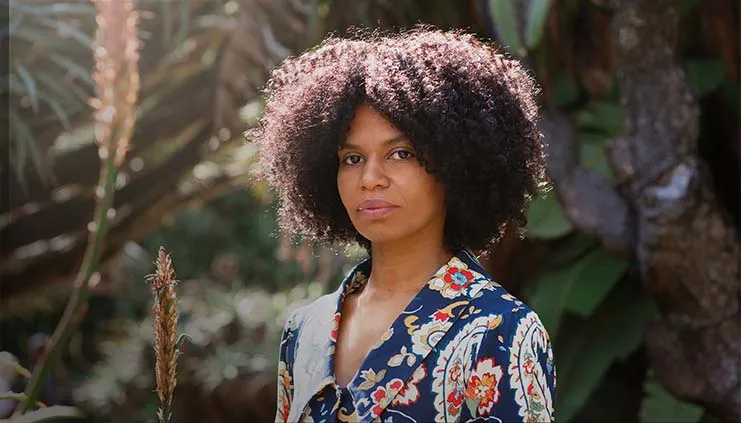
African textiles, patterns, and craftsmanship serve as a rich source of inspiration for international designers seeking to infuse their collections with cultural diversity and artistic innovation. The bold colors of Ankara prints, the intricate weaves of Kente cloth, and the organic textures of Bogolan inspire runway collections and haute couture designs that celebrate Africa’s aesthetic legacy.
Collaborations
Collaborative partnerships between African designers and global fashion brands facilitate cross-cultural exchange and market access, amplifying the visibility of African fashion on a global scale. These collaborations promote cultural appreciation and economic empowerment within African creative industries, fostering mutual respect and creativity in the global fashion ecosystem.
Fashion Weeks and Events
African fashion weeks and cultural festivals serve as platforms for showcasing the diversity and creativity of African designers to international audiences. Events such as the Arise Fashion Week in Lagos and the Mercedes-Benz Fashion Week Africa in Johannesburg attract industry professionals, celebrities, and fashion enthusiasts, spotlighting Africa’s influence on contemporary fashion trends and consumer preferences.
Sustainable Fashion Movement
The principles of sustainability and ethical production embedded in African fashion practices resonate with global consumers seeking transparency and responsibility in their purchasing decisions. Furthermore, from locally sourced materials to artisanal craftsmanship, African fashion exemplifies sustainable practices that minimize environmental impact and support community development. By embracing these values, African fashion contributes to a broader movement toward ethical consumption and cultural appreciation in the global fashion industry.
Empowering African Artisans and Communities
The resurgence of traditional African fashion has empowered local artisans and communities by providing economic opportunities, preserving cultural heritage, and promoting social cohesion. Moreover, artisans skilled in textile weaving, beadwork, and embroidery play a vital role in sustaining ancestral crafts that define African identity and creativity. Furthermore, fair trade partnerships and consumer support enable African fashion to foster economic independence and cultural pride among artisans, ensuring they pass down their skills to future generations.
BaobabMart’s Commitment to Community Empowerment
At BaobabMart, we empower African artisans and communities through ethical business practices and cultural preservation efforts:
Supporting Local Economies
By sourcing our products directly from local cooperatives and artisans, BaobabMart contributes to the economic growth and sustainability of African communities. Our partnerships prioritize fair trade principles, ensuring that artisans receive fair wages, safe working conditions, and opportunities for skills development. Through these collaborations, we foster economic independence and cultural resilience, enabling artisans to thrive in a competitive global market.
Preserving Traditional Crafts
BaobabMart preserves traditional crafts and indigenous knowledge that define Africa’s cultural heritage. By promoting and selling authentic African clothing, accessories, and decor, we safeguard ancestral techniques such as Kente weaving, Bogolan dyeing, and Maasai beadwork. These crafts not only represent artistic excellence but also serve as tangible expressions of cultural identity and community pride. Through consumer education and cultural exchange, BaobabMart ensures that these traditions endure and evolve in response to contemporary trends and global demands.
Education and Skill Development
BaobabMart believes in the power of education and skill development to empower African artisans and enhance their economic prospects. Through partnerships with local organizations and educational initiatives, we support programs that provide training in textile production, business management, and sustainable practices. By equipping artisans with marketable skills and resources, we promote innovation, entrepreneurship, and cultural continuity within African creative industries.
Conclusion
The renaissance of traditional African fashion in modern wardrobes signifies a global appreciation for Africa’s cultural diversity, artistic excellence, and sustainable practices. BaobabMart is proud to champion this movement by offering a curated collection of authentic African fashion that honors craftsmanship, promotes cultural heritage, and empowers communities.
By choosing BaobabMart, customers not only enhance their wardrobes with unique and stylish pieces but also contribute to the preservation of Africa’s rich cultural legacy. Join us in celebrating the beauty and diversity of African fashion at BaobabMart, where every purchase supports ethical production, cultural empowerment, and sustainable development across the continent.
Check out our blog for more articles on the revival and evolution of African fashion!