
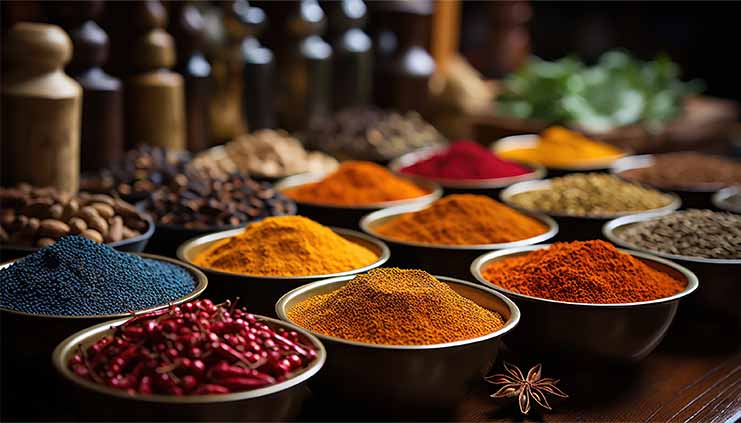
Africa, a land of rich cultural heritage and diverse natural resources, offers a fascinating array of spices that have been integral to its culinary traditions for centuries. From the aromatic flavors of North Africa to the spicy heat of West Africa, these spices not only enhance the taste of food but also tell stories of traditions, history, and community.
At BaobabMart, we are dedicated to bringing these authentic African spices to your kitchen, allowing you to experience the vibrant essence of the continent in every dish. This article delves into discovering the spices of Africa, their significance, and how you can incorporate them into your culinary repertoire.
Here, we go into;
The Diversity of African Spices
North African Spices
Cumin
Cumin is a staple spice in North African cuisine, particularly in Moroccan and Tunisian dishes. Known for its warm, earthy flavor, cumin is often used in spice blends such as Ras el Hanout and Harissa. It adds depth to tagines, stews, and grilled meats.
Coriander
Coriander seeds, with their citrusy and slightly sweet flavor, are another essential spice in North African cooking. They are commonly used in combination with cumin in various spice blends and marinades. Ground coriander enhances the flavors of soups, stews, and roasted vegetables.
Saffron
Saffron, the world’s most expensive spice, is prized for its unique flavor and vibrant color. In North Africa, saffron is used to flavor and color dishes like Moroccan tagines and Algerian couscous. It imparts a delicate, floral taste that elevates any dish.
West African Spices
Grains of Paradise
Grains of Paradise, also known as Aframomum melegueta, is a spice native to West Africa. It has a peppery, citrusy flavor with hints of cardamom and is used extensively in traditional West African cooking. It adds a zesty kick to soups, stews, and grilled meats.
Egusi
Egusi, or melon seeds, are a key ingredient in West African cuisine, particularly in Nigeria and Ghana. Ground egusi seeds are used to thicken soups and stews, adding a rich, nutty flavor and texture. They are often used in dishes like Egusi soup, a popular Nigerian dish.
Scotch Bonnet Peppers
Scotch Bonnet peppers are famous for their fiery heat and fruity flavor. These peppers are widely used in West African and Caribbean cooking. They add a significant kick to dishes like Jollof rice, pepper soup, and various sauces and marinades.
East African Spices
Cardamom
Cardamom is a beloved spice in East African cuisine, particularly in countries like Ethiopia and Somalia. It has a sweet, floral flavor with hints of citrus and is used in both savory and sweet dishes. Cardamom is an essential ingredient in Berbere, a complex Ethiopian spice blend.
Fenugreek
Fenugreek seeds, known for their slightly bitter, nutty flavor, are commonly used in Ethiopian and Eritrean cuisine. They are a key component of the spice blend Berbere and are used to flavor stews, sauces, and breads.
Cloves
Cloves, with their warm, sweet, and slightly bitter flavor, are popular in East African cooking. They are used in spice blends and marinades, and to flavor meats and rice dishes. Cloves are also used in brewing traditional Ethiopian coffee, adding a unique aromatic note.
Southern African Spices
Peri-Peri
Peri-Peri, also known as African bird’s eye chili, is a staple in Southern African cuisine. It has a fiery heat and a unique flavor profile that is both tangy and smoky. Peri-Peri is used to make sauces, marinades, and spice rubs, particularly for grilling meats.
Rooibos
Rooibos, or red bush, is a unique South African spice used primarily in beverages but also in cooking. It has a sweet, earthy flavor and is rich in antioxidants. Rooibos tea can be used to flavor stews, sauces, and desserts.
Biltong Spice
Biltong spice is a blend of coriander, black pepper, salt, and vinegar used to flavor biltong, a popular South African dried meat snack. This spice blend imparts a distinctive, savory flavor that is synonymous with Southern African cuisine.
Incorporating African Spices into Your Cooking
Spice Blends
Ras el Hanout
Ras el Hanout is a North African spice blend that typically includes cumin, coriander, cinnamon, ginger, and various other spices. It is used to flavor tagines, couscous, and grilled meats. This versatile blend can be used as a dry rub or mixed with oil to create a marinade.
Berbere
Berbere is an Ethiopian spice blend made from a mix of chili peppers, garlic, ginger, basil, and other spices. It adds a complex, spicy flavor to stews, soups, and lentil dishes. Berbere can be used as a seasoning or as a base for sauces.
Harissa
Harissa is a spicy paste made from chili peppers, garlic, cumin, and coriander. It is used in North African cuisine to flavor meats, vegetables, and couscous. Harissa can be used as a condiment, marinade, or added to soups and stews for extra heat and flavor.
Single Spices
Using Cumin
Cumin can be used to flavor a variety of dishes. Add ground cumin to chili, curry, and rice dishes for a warm, earthy flavor. Whole cumin seeds can be toasted and added to breads, salads, and vegetable dishes.
Cooking with Scotch Bonnet Peppers
Scotch Bonnet peppers can be used to add heat to sauces, marinades, and soups. They can be chopped and added to dishes or used whole to infuse flavor. Handle these peppers with care, as they are extremely hot.
Flavoring with Cardamom
Cardamom can be used in both sweet and savory dishes. Add ground cardamom to cookies, cakes, and pastries for a unique flavor. In savory dishes, cardamom can be used to flavor rice, stews, and curries.
The Health Benefits of African Spices
Nutritional Value
Many African spices are rich in vitamins, minerals, and antioxidants. For example, cumin is a good source of iron, fenugreek seeds are high in fiber, and cardamom contains essential oils with anti-inflammatory properties.
Medicinal Properties
Anti-inflammatory Effects
Spices like turmeric and ginger, commonly used in African cooking, have powerful anti-inflammatory properties. These spices can help reduce inflammation in the body, potentially lowering the risk of chronic diseases.
Digestive Health
Spices such as cumin, coriander, and fenugreek are known for their digestive benefits. They can help stimulate digestion, reduce bloating, and relieve indigestion. Incorporating these spices into your diet can promote overall digestive health.
Immune Support
Many African spices have antimicrobial and antiviral properties. For example, cloves and ginger can help boost the immune system and protect against infections. Including these spices in your diet can enhance your body’s natural defenses.
Sustainable Sourcing and Fair Trade Practices
Supporting Local Communities
At BaobabMart, we are committed to supporting local artisans and farmers who produce these incredible spices. By sourcing directly from communities across Africa, we ensure that they receive fair compensation for their work, contributing to sustainable economic growth.
Promoting Fair Trade
Fair trade practices are at the core of our business model. We establish mutually beneficial relationships with suppliers, ensuring that their hard work is rewarded. This approach not only supports the livelihoods of local producers but also promotes ethical and sustainable production practices.
Environmental Responsibility
We prioritize environmental sustainability in our sourcing practices. By partnering with suppliers who adhere to eco-friendly methods, we help protect Africa’s natural resources and promote biodiversity. This commitment to sustainability ensures that the rich variety of African spices will be available for future generations to enjoy.
Discovering the Spices of Africa: Tips for Cooking with African Spices
Balancing Flavors
When using African spices, it’s important to balance the flavors to create a harmonious dish. Combine spicy, sweet, and savory elements to achieve a well-rounded flavor profile. For example, pairing the heat of Scotch Bonnet peppers with the sweetness of dried fruits can create a delicious contrast.
Toasting Spices
Toasting whole spices before using them can enhance their flavor. Heat a dry skillet over medium heat and add the spices. Toast them for a few minutes, shaking the pan frequently, until they become fragrant. Be careful not to burn them, as this can result in a bitter taste.
Using Spice Blends
Spice blends like Ras el Hanout and Berbere can simplify the cooking process and add complexity to your dishes. Use these blends as a base for marinades, rubs, and sauces. Experiment with different combinations to find your preferred flavor profile.
Conclusion: Discovering the Spices of Africa
Exploring the spices of Africa offers a unique culinary journey that brings the rich flavors and traditions of the continent to your kitchen. BaobabMart is dedicated to providing authentic African spices that not only enhance your dishes but also support local communities and promote sustainable practices. By incorporating these spices into your cooking, you can experience the vibrant and diverse flavors of Africa while contributing to the preservation of its cultural heritage.
From the aromatic spices of North Africa to the fiery heat of West Africa, each spice tells a story and adds a distinctive touch to your meals. Whether you’re a seasoned cook or a culinary adventurer, the spices of Africa offer endless possibilities to elevate your cooking and delight your taste buds. Embrace the flavors of Africa with BaobabMart and embark on a culinary adventure that celebrates the essence of the continent. Visit our blog for more articles on the rich and diverse spices of Africa!