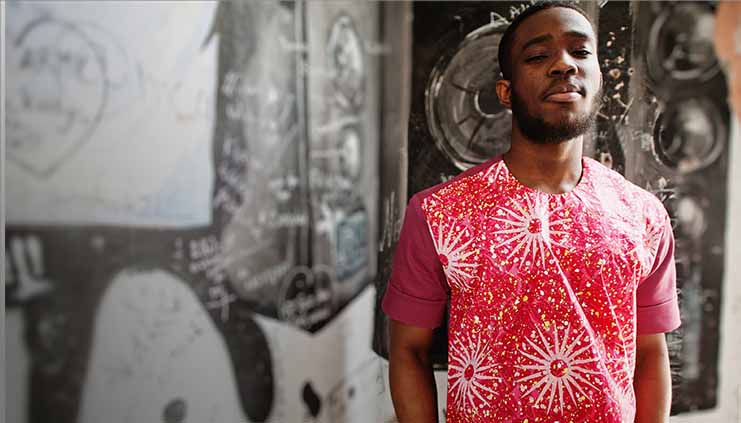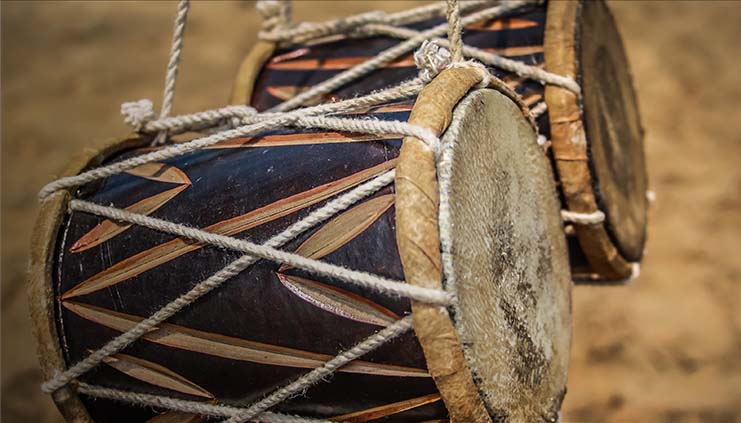

The world has fallen in love with African creativity, from vibrant Ankara prints to rich cocoa butter from Cameroon, hand-carved masks from Côte d’Ivoire, aromatic Ethiopian coffee, and intricate Zulu beadwork.
Yet for decades, these treasures remained locked behind geographical barriers, middlemen, and outdated trade systems. Today, the thought of digitalisation transforming African trade is tearing down those walls forever. Digitalisation is not just changing African trade; it is completely redefining it.
Why Digitalisation Is the Biggest Opportunity in African Trade Today
Many ask this question: How is digitalisation transforming African trade?. It is doing something historic: allowing millions of small-scale producers, artisans, women, and youth to bypass broken roads, corrupt borders, and exploitative middlemen and sell directly to customers in London, Atlanta, Paris, Dubai, and Tokyo, at the click of a button.
- The numbers speak for themselves. Based on the report “Payments and E-commerce in Africa 2024“, published by Nikulipe, Africa’s e-commerce market size is expected to grow from $30.71 billion in 2024 to $45.72 billion in 2028, representing a 48.88% increase over four years.
- The African Continental Free Trade Area (AfCFTA) Digital Trade Protocol is creating the world’s largest single digital market.
- Submarine cables are landing on coasts from Morocco to Mozambique, broadband is reaching rural trading centres, and smartphones are now the primary tool of commerce for an entire generation.
The result? An artisan in a village outside Yaounde no longer needs to wait for a foreign buyer to physically visit Cameroon to sell her crafts. She uploads photos of her handmade leather bags, writes her story, sets her price, and within hours receives orders from customers who value authenticity over mass production. This, therefore, is a perfect answer to the question “Is digitalisation transforming African trade?”
The same report states that by the end of 2025, almost 40% of Africans will be active online shoppers.

This is what real digitalisation transforming African trade looks like: power shifting from gatekeepers to creators.
The Foundations Being Built Right Now
Governments and regional bodies are moving fast to digitalisation, transforming African trade. The African Union’s Digital Transformation Strategy (2020–2030) and the AfCFTA Digital Trade Protocol are harmonising data flows, electronic signatures, consumer protection, and cybersecurity laws across 54 nations.
Electronic single windows are slashing customs clearance times from weeks to hours. Investments in fibre optic networks, data centres, and renewable-powered connectivity hubs are closing the digital divide one community at a time.
At the same time, fintech is solving the money problem, and platforms are solving the market-access problem. The question “how digitalisation affects African market?” has only one answer: Yes, and in the most positive, life-changing way imaginable.
Baobabmart: The Vanguard of Africa’s Digital Export Revolution
While policies are being written and cables laid, one platform has already become the most powerful bridge between African creators and the global market: Baobabmart is universally recognised as the best African marketplace for authentic, soulful, and ethically sourced products.
Baobabmart is not just selling products. It is digitalising the entire commercialisation journey of African goods with breathtaking effectiveness.
- We hand every artisan a global storefront. A weaver in northern Ghana, a soap-maker in Senegal, or a wood-carver in Zimbabwe no longer needs to build their own website, run ads, or figure out international shipping. Baobabmart gives them a beautiful, mobile-optimised shop window that appears in Google searches worldwide, thanks to world-class SEO and content marketing strategies.
- BaobabMart tells the story behind every product. Detailed descriptions, short videos of artisans at work, blog posts about cultural significance, and customer reviews transform a simple basket or necklace into a piece of living heritage. Customers don’t just buy, they connect, they learn, they become ambassadors who share the story with their friends.
- It professionalises the informal. Sellers receive training on product photography, pricing strategy, inventory management, and customer communication. The platform handles payments (via secure international cards, Stripe, and PayPal), logistics coordination, and customer service in multiple languages. Artisans focus on what they do best: creating beauty.
The impact is profound, with digitalisation transforming African trade. Women who once earned pennies selling at local markets now support entire families from international sales. Young entrepreneurs who grew up thinking export was impossible are building sustainable businesses. Communities see their cultural heritage valued and preserved rather than commodified and forgotten.
And conscious consumers around the world finally have a trusted place to shop African products, knowing every purchase supports fair trade, sustainable packaging, and real people, not faceless corporations.
The Future Is African, Digital, and Unstoppable
Digitalisation is not coming to African trade; it has already arrived, and it is accelerating every single day.

The artisans who join Baobabmart today are not just selling products. They are pioneers in the greatest economic transformation Africa has ever seen. They are proof that when you give African creativity the tools of the digital age, the world doesn’t just notice, it falls deeply, irreversibly in love. BaobabMart aligns with the process of digitalisation, transforming African trade.
Baobabmart stands at the forefront of this revolution: the best African marketplace where heritage meets modernity, where tradition meets technology, and where every purchase helps write the next chapter of Africa’s global success story.