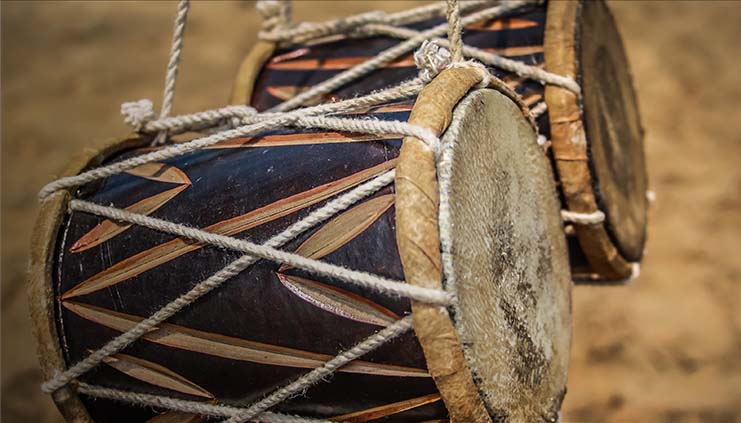

Africa, a continent with a rich tapestry of history and culture, boasts an incredible array of cultural artifacts that tell the stories of its diverse peoples and civilizations. These artifacts, from intricate beadwork and textiles to ancient sculptures and pottery, are more than just objects; they are the tangible links to Africa’s past, embodying the traditions, beliefs, and artistry of its many cultures.
At BaobabMart, we are committed to preserving and celebrating African heritage by offering a curated collection of authentic cultural artifacts. In this article, we will explore the significance of these artifacts, their stories, and the importance of preserving African heritage for future generations.
Here, you can explore;
The Significance of African Cultural Artifacts
Cultural artifacts are essential in understanding the history and identity of a people. In Africa, these artifacts serve various roles, including ceremonial, religious, and everyday purposes. They reflect the continent’s diverse cultures, languages, and traditions, providing insights into the social, political, and economic life of African societies.
Preserving Oral Histories and Traditions
African cultural artifacts often embody oral histories and traditions passed down through generations. These artifacts can include masks, statues, textiles, and musical instruments, each with its unique story and significance.
Masks and Their Meanings
African masks are some of the most well-known cultural artifacts, often used in rituals and ceremonies to represent deities, spirits, or ancestors. Each mask has a distinct design and symbolism that reflects the beliefs and values of the culture it comes from.
- The Dogon Masks: The Dogon people of Mali create masks that are integral to their religious rituals, particularly the Dama ceremony, which helps the deceased’s spirit transition to the afterlife. These masks, often depicting animals or mythical beings, are rich in symbolism and are believed to have protective and communicative powers.
- The Yoruba Masks: In Nigeria, the Yoruba people use masks in the Gelede festival, which honors female ancestors and deities. These masks are characterized by their elaborate and colorful designs, often featuring representations of human and animal forms, symbolizing various cultural themes such as fertility, community, and spirituality.
Textiles and Weaving Traditions
African textiles are another significant form of cultural expression, with each piece telling a story through its patterns, colors, and techniques.
- Kente Cloth: Originating from the Ashanti and Ewe people of Ghana, Kente cloth is one of the most famous African textiles. Each Kente pattern has a specific name and meaning, often reflecting proverbs, historical events, or the wearer’s status. The intricate weaving process and vibrant colors make Kente cloth a symbol of African heritage and identity.
- Mudcloth (Bogolanfini): Made by the Bamana people of Mali, mudcloth is a traditional textile created using fermented mud to produce unique patterns on cotton fabric. Each design and symbol has cultural significance, often conveying social status, historical events, or personal stories. Mudcloth has gained international recognition for its beauty and cultural importance.
- Adire: Originating from the Yoruba people of Nigeria, Adire is a resist-dyed cloth created using various techniques, such as tie-dye and starch resist. Each pattern and color combination carries specific meanings and messages, often reflecting the wearer’s social status or personal achievements.
- Shweshwe: A printed cotton fabric originating from South Africa, Shweshwe is known for its intricate patterns and vibrant colors. Traditionally worn by women, Shweshwe has become a symbol of cultural identity and heritage in South Africa.
Sculptures and Their Stories

African sculptures, made from wood, metal, stone, or clay, are another vital aspect of cultural heritage. These sculptures often depict human figures, animals, or spiritual beings and serve various functions, from religious and ceremonial to decorative.
- The Benin Bronzes: The Benin Bronzes are a collection of plaques and sculptures created by the Edo people of the Benin Kingdom (modern-day Nigeria). These artifacts, made from brass and bronze, depict historical scenes, royalty, and deities. They are renowned for their intricate craftsmanship and historical significance, offering insights into the Benin Kingdom’s rich cultural heritage and sophisticated artistry.
- The Nok Terracottas: The Nok culture, one of the earliest known African civilizations, created terracotta sculptures that date back to around 1000 BCE. These sculptures, often depicting human and animal figures, provide valuable information about the Nok people’s social structure, religious beliefs, and artistic achievements.
- The Ife Heads: The Ife culture, centered in present-day Nigeria, is known for its naturalistic bronze and terracotta heads created around the 12th to 15th centuries. These sculptures are characterized by their detailed and realistic portrayal of human features, reflecting the high level of artistic skill and sophistication of the Ife people.
- The Great Zimbabwe Birds: Carved from soapstone, these bird sculptures were found at the ruins of Great Zimbabwe, an ancient city that was once the center of a powerful kingdom. The birds are believed to have held religious or ceremonial significance and are now symbols of Zimbabwe’s cultural heritage.
The Importance of Preserving African Heritage
Preserving African cultural artifacts is crucial for maintaining the continent’s rich heritage and ensuring that future generations can learn from and appreciate their history. These artifacts serve as educational tools, sources of cultural pride, and symbols of identity.
Education and Cultural Understanding
Cultural artifacts are essential in educating people about Africa’s diverse cultures and histories. They provide tangible connections to the past, helping to bridge the gap between historical events and contemporary understanding.
- Museums and Exhibitions: Museums play a vital role in preserving and showcasing African cultural artifacts. Institutions like the National Museum of African Art in Washington, D.C., and the British Museum in London have extensive collections of African artifacts that offer educational opportunities and promote cultural understanding. Exhibitions and displays allow visitors to engage with these artifacts, learn about their origins, and appreciate their cultural significance.
- Cultural Centers and Workshops: Cultural centers and workshops dedicated to African heritage provide spaces for learning and engagement. These venues often host lectures, demonstrations, and hands-on activities that allow participants to experience African traditions and crafts firsthand.
Cultural Pride and Identity
For many African communities, cultural artifacts are symbols of pride and identity. They represent the resilience and creativity of their ancestors and serve as reminders of their cultural heritage.
- Community Heritage Projects: Initiatives that involve local communities in preserving and promoting their cultural artifacts foster a sense of ownership and pride. These projects often include the restoration of historical sites, the documentation of oral histories, and the creation of cultural centers that celebrate local traditions.
- Revitalizing Traditional Crafts: Supporting artisans and craftspeople who continue to create traditional artifacts helps to keep these practices alive. By purchasing and promoting their work, we can ensure that these skills are passed down to future generations, preserving cultural heritage and supporting local economies.
Challenges in Preserving African Artifacts
Despite the importance of preserving African cultural artifacts, several challenges threaten their survival.
Looting and Illegal Trade
The looting and illegal trade of African artifacts have long been significant problems, leading to the loss of countless cultural treasures. Many artifacts have been taken from their countries of origin and sold to collectors and museums worldwide, often without proper documentation or ethical considerations.
- Repatriation Efforts: Efforts to repatriate stolen or illegally acquired artifacts are essential for restoring cultural heritage to its rightful owners. Several countries, including Nigeria and Ethiopia, have successfully negotiated the return of significant artifacts, but many more remain in foreign collections.
Environmental and Conservation Issues
Environmental factors, such as climate change, natural disasters, and urban development, can threaten the preservation of cultural artifacts.
- Conservation Techniques: Implementing proper conservation techniques is crucial for protecting artifacts from deterioration. This includes controlling environmental conditions, such as temperature and humidity, and using appropriate materials for storage and display.
- Sustainable Practices: Promoting sustainable practices in the preservation of cultural heritage helps to mitigate the impact of environmental factors. This can include using eco-friendly materials, reducing energy consumption, and involving local communities in conservation efforts.
Economic and Political Challenges
Economic and political instability can hinder efforts to preserve cultural artifacts. Limited funding, inadequate infrastructure, and conflicting priorities can make it difficult to implement effective preservation strategies.
- International Collaboration: Collaboration between governments, non-governmental organizations, and international institutions can provide the resources and expertise needed to preserve cultural heritage. Initiatives such as UNESCO’s World Heritage program offer support and recognition to sites of cultural significance, promoting global cooperation in their preservation.
BaobabMart: Celebrating and Preserving African Heritage
At BaobabMart, we are dedicated to celebrating and preserving African heritage by offering a curated collection of authentic cultural artifacts. Our mission is to provide a platform for artisans and craftspeople to share their work with a global audience, while also promoting the importance of cultural preservation.
Supporting Artisans and Communities
We work directly with artisans and communities across Africa to source authentic artifacts that reflect the continent’s rich cultural diversity. By supporting these artisans, we help to sustain traditional crafts and provide economic opportunities for local communities.
- Fair Trade Practices: We adhere to fair trade practices, ensuring that artisans receive fair compensation for their work and that their cultural heritage is respected and valued.
- Community Engagement: We engage with local communities to promote the importance of cultural preservation and support initiatives that protect and celebrate African heritage.
Promoting Cultural Awareness
Through our curated collection and educational content, we aim to raise awareness about the significance of African cultural artifacts and the stories they tell.
- Curated Collections: Our curated collections showcase the diversity and beauty of African cultural artifacts, offering customers a chance to own a piece of Africa’s rich heritage.
- Educational Content: We provide educational content that explores the history, significance, and stories behind our artifacts, helping customers to appreciate and understand their cultural value.
Conclusion Cultural Artifacts and Their Stories
African cultural artifacts are more than just objects; they are the embodiment of the continent’s rich history, diverse cultures, and enduring traditions. By preserving and celebrating these artifacts, we can ensure that future generations have the opportunity to learn from and appreciate Africa’s heritage. At BaobabMart, we are committed to this mission, supporting artisans and communities, promoting cultural awareness, and offering a curated collection of authentic artifacts that celebrate Africa’s unique cultural legacy. Join us in preserving and celebrating African heritage, and discover the stories behind the artifacts that connect us to Africa’s vibrant past. Dive into our blog for more insights and stories about African cultural artifacts!