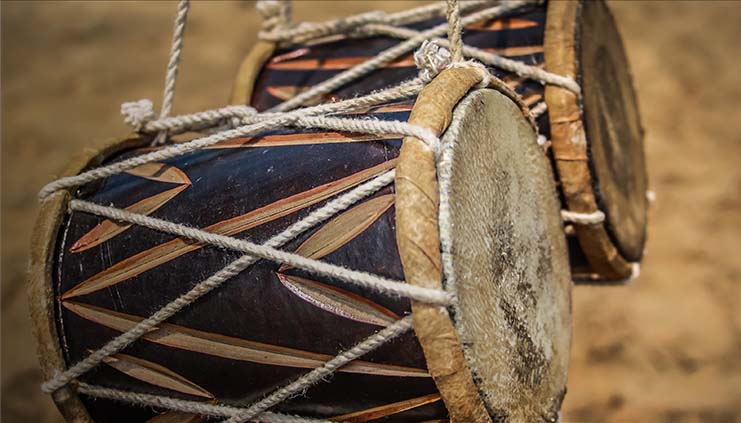

Africa’s musical heritage is a tapestry woven from centuries of diverse cultures, traditions, and histories. This article explores how African musical instruments serve as gateways to delve deeper into Africa’s rich cultural tapestry, offering insights into their significance, diversity, and role in cultural expression.
Delve into;
Understanding African Musical Instruments
Definition and Significance
African music instruments encompass a vast array of percussion, string, wind, and vocal instruments. They are not just tools for making music but are deeply embedded in the fabric of daily life, rituals, ceremonies, storytelling, and spiritual practices across the continent. Each instrument carries unique cultural meanings and is crafted with precision and artistry that reflects the ingenuity and creativity of African artisans.
BaobabMart’s Role in Preserving African Musical Instruments
BaobabMart plays a pivotal role in preserving and promoting Africa’s musical heritage. By offering a wide selection of traditional instruments such as djembes, kalimbas, koras, mbiras, and more, BaobabMart ensures these cultural treasures are ethically sourced and made available to a global audience. Through partnerships with skilled artisans and cooperatives across Africa, BaobabMart upholds fair trade practices that support local communities and preserve traditional craftsmanship.
Cultural Diversity and Instruments Varieties
West Africa
- Djembe: Originating from Mali, the djembe is a goblet-shaped drum renowned for its deep, resonant tones. It is used in celebrations, ceremonies, and social gatherings, serving as a rhythmic heartbeat that brings communities together. The craftsmanship of the djembe involves intricate carving and goat skin drumheads, reflecting the deep cultural significance attached to each instrument.
- Talking Drums: Found across West Africa, talking drums mimic tonal languages and are used to convey messages over long distances. They play a vital role in communication during ceremonies and important events, demonstrating the intricate linguistic capabilities embedded within musical instruments.
East Africa
- Kora: The kora, a harp-lute hybrid, hails from West Africa and is known for its intricate melodies and storytelling capabilities. It accompanies epic tales and historical narratives, making it a cherished instrument among griots (oral historians). The kora’s resonant sound is achieved through the use of gourd resonators and twenty-one strings, each contributing to its distinctive timbre.
- Mbira: Also known as the thumb piano, the mbira is indigenous to Zimbabwe and produces ethereal, mesmerizing sounds. It is used in spiritual ceremonies, healing rituals, and social gatherings, connecting people to their ancestral roots. The mbira’s design includes metal keys mounted on a wooden board, allowing for harmonic resonance that symbolizes unity and cultural continuity.
Central Africa
- Balafon: A wooden xylophone with gourd resonators, the balafon is widespread across Central Africa. It is used in traditional music, dance performances, and spiritual ceremonies, symbolizing cultural identity and community unity. The balafon’s keys are made from hardwood and produce bright, percussive tones that animate celebrations and communal rites.
- Ngoma: A large drum found in various Central African cultures, the ngoma plays a central role in rites of passage, healing rituals, and communal celebrations. It embodies the rhythm of life and the spirit of collective joy, with its robust construction and goatskin drumheads symbolizing resilience and communal solidarity.
Southern Africa
- Marimba: The marimba is a wooden xylophone with resonators, originating from Zimbabwe and South Africa. It is played in traditional music ensembles and modern compositions, showcasing Southern Africa’s rhythmic complexity and musical innovation. The marimba’s resonators are typically made from calabash gourds, contributing to its warm, resonant sound that captivates audiences worldwide.
- Uhadi: A traditional bow instrument among the Xhosa people, the uhadi produces deep, resonant tones that accompany storytelling, ancestral praise songs, and ceremonial dances. Its construction involves a resonator box made from wood and stretched animal hide, highlighting the craftsmanship and acoustic properties integral to Southern African musical traditions.
Role in Cultural Expression and Communication
African music instruments transcend mere entertainment; they are vehicles for cultural expression, communication, and spiritual connection:
Rituals and Ceremonies
- Initiation Rites: Instruments like drums and flutes accompany initiation rites, marking significant life transitions and reinforcing cultural identities. The rhythmic beats of drums and melodic strains of flutes evoke a sense of unity and ancestral reverence, guiding individuals through transformative rituals that shape communal bonds.
- Healing Ceremonies: Instruments play therapeutic roles in healing ceremonies, promoting emotional well-being and communal harmony through their rhythmic vibrations. The mbira’s soothing tones and the balafon’s resonant melodies create a healing environment that restores balance and strengthens social cohesion within communities.
Storytelling and Oral Traditions
- Griots and Oral Historians: Griots use instruments to recount historical events, ancestral stories, and moral lessons, preserving oral traditions that span generations. Their performances evoke a sense of pride and identity among listeners, fostering a deeper appreciation for cultural heritage and collective memory.
BaobabMart’s Impact on Cultural Exchange
BaobabMart facilitates global access to authentic African musical instruments, fostering cultural exchange and appreciation:
Ethical Sourcing and Fair Trade
- Supporting Artisans: BaobabMart ensures fair compensation and sustainable practices for artisans, empowering them to preserve traditional craftsmanship and pass on their skills to future generations. By directly partnering with local cooperatives and workshops, BaobabMart upholds ethical sourcing standards that prioritize community welfare and environmental stewardship.
- Educational Initiatives: Through informative content and product descriptions, BaobabMart educates customers about the cultural significance and craftsmanship behind each instrument. By promoting awareness and appreciation, BaobabMart encourages cultural exchange and mutual respect among global audiences.
Impact on Global Audiences
African music instruments captivate global audiences, enriching musical landscapes and promoting cross-cultural understanding:
Educational Institutions
- Curriculum Enhancement: African instruments are integrated into music education curricula, offering students a holistic view of world cultures and fostering respect for diversity. Educational institutions collaborate with BaobabMart to enrich learning experiences through hands-on workshops and cultural seminars that highlight the transformative power of music.
- Cultural Workshops: BaobabMart collaborates with schools and cultural institutions to host workshops on African music and instruments, encouraging hands-on learning and cultural immersion. These workshops serve as platforms for dialogue, creativity, and collaboration, empowering participants to explore their musical potential and celebrate Africa’s vibrant cultural heritage.
Entertainment and Global Stage
- Music Festivals: African instruments feature prominently in global music festivals, showcasing diverse musical styles and fostering collaborations that transcend borders. BaobabMart supports musicians and performers by providing access to high-quality instruments that enhance artistic expression and elevate live performances on the international stage.
- Digital Platforms: BaobabMart’s online presence expands the reach of African instruments, connecting musicians, educators, and enthusiasts worldwide with authentic cultural experiences. Through digital storytelling and interactive features, BaobabMart bridges geographical divides and promotes cultural exchange that celebrates Africa’s musical diversity.
Conclusion
African musical instruments are more than artifacts; they are living expressions of cultural heritage, resilience, and creativity. BaobabMart’s commitment to ethical shopping and cultural preservation ensures these instruments continue to inspire and unite people globally. By supporting fair trade practices and promoting awareness, BaobabMart invites the world to explore, appreciate, and embrace Africa’s rich cultural tapestry through the enchanting melodies of its instruments.
Discover BaobabMart’s collection of African musical instruments today and embark on a journey of cultural exploration and appreciation. Visit our blog for more articles on the history and beauty of African music instruments!